
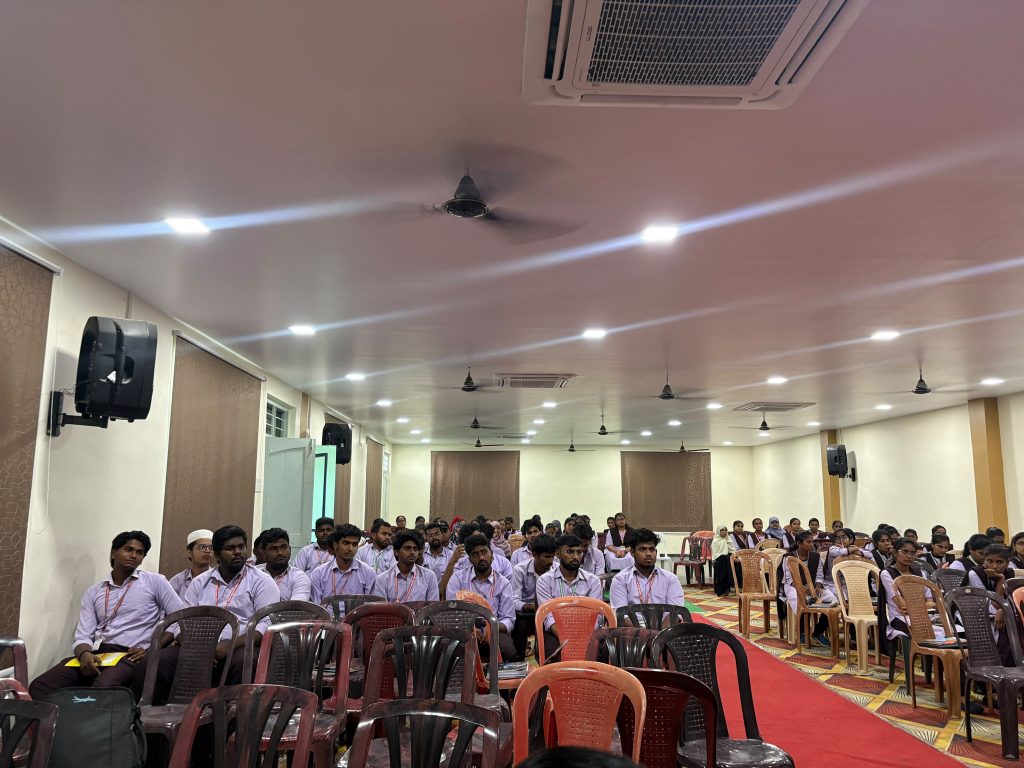
Venue: Auditorium, Eswar College of Engineering, organized by Swecha Learning Center
Mode: Offline
Workshop 1 : AI & Prompt Engineering Basics
Date: 10-08-2026
During the first session, we were introduced to the fundamentals of Artificial Intelligence, with a special focus on concepts such as Generative AI and. The mentors explained not only what these technologies are, but also how to practically engage with them from crafting effective prompts for AI tools to exploring ways in which these tools can enhance productivity and streamline our work. This session gave us a clear understanding of how AI can move beyond theory and become a powerful aid in solving everyday challenges.
Beyond the theoretical explanations, the session emphasized the importance of interaction with AI systems in a practical way. We explored how different types of prompts can influence the responses generated by AI tools, and how carefully designed instructions can lead to more accurate and creative outputs.
The mentors also highlighted real-world scenarios where Generative AI and Agentic AI are already being applied from automating repetitive tasks to assisting in research and content creation. What stood out most was the idea that AI is not just a futuristic concept, but a present-day tool that can empower students, professionals, and innovators to work smarter and more efficiently. This first day laid a strong foundation, encouraging us to think critically about how AI can be integrated into our own academic projects and future careers.
Workshop 2: From Concepts to Practice (Vibe Coding)
Date: 11-10-2026
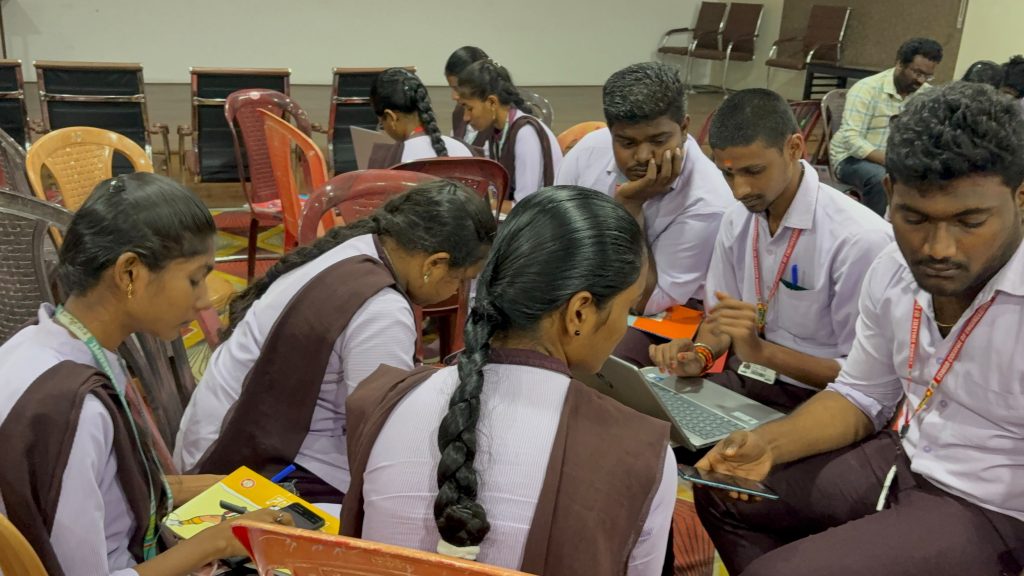
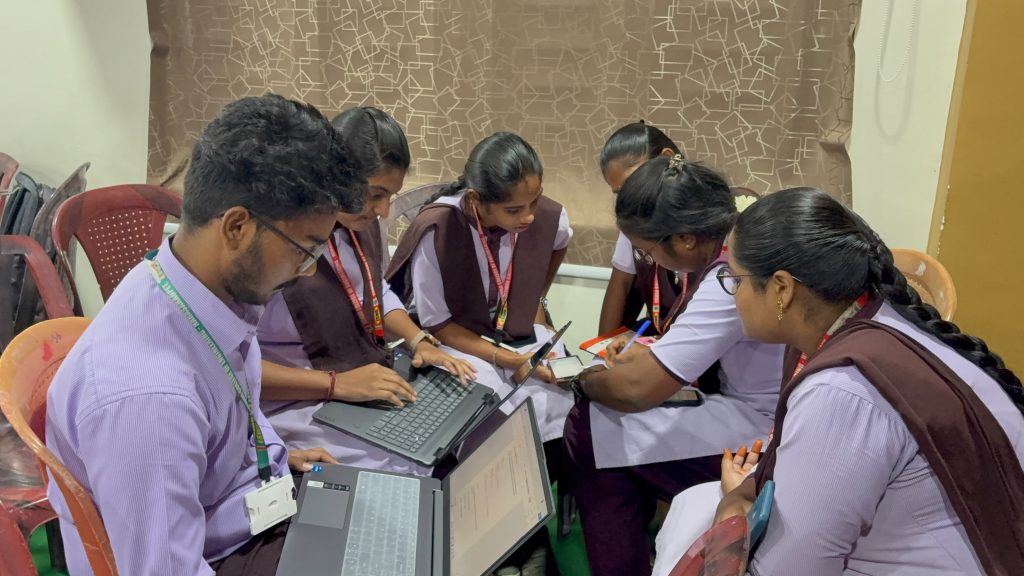
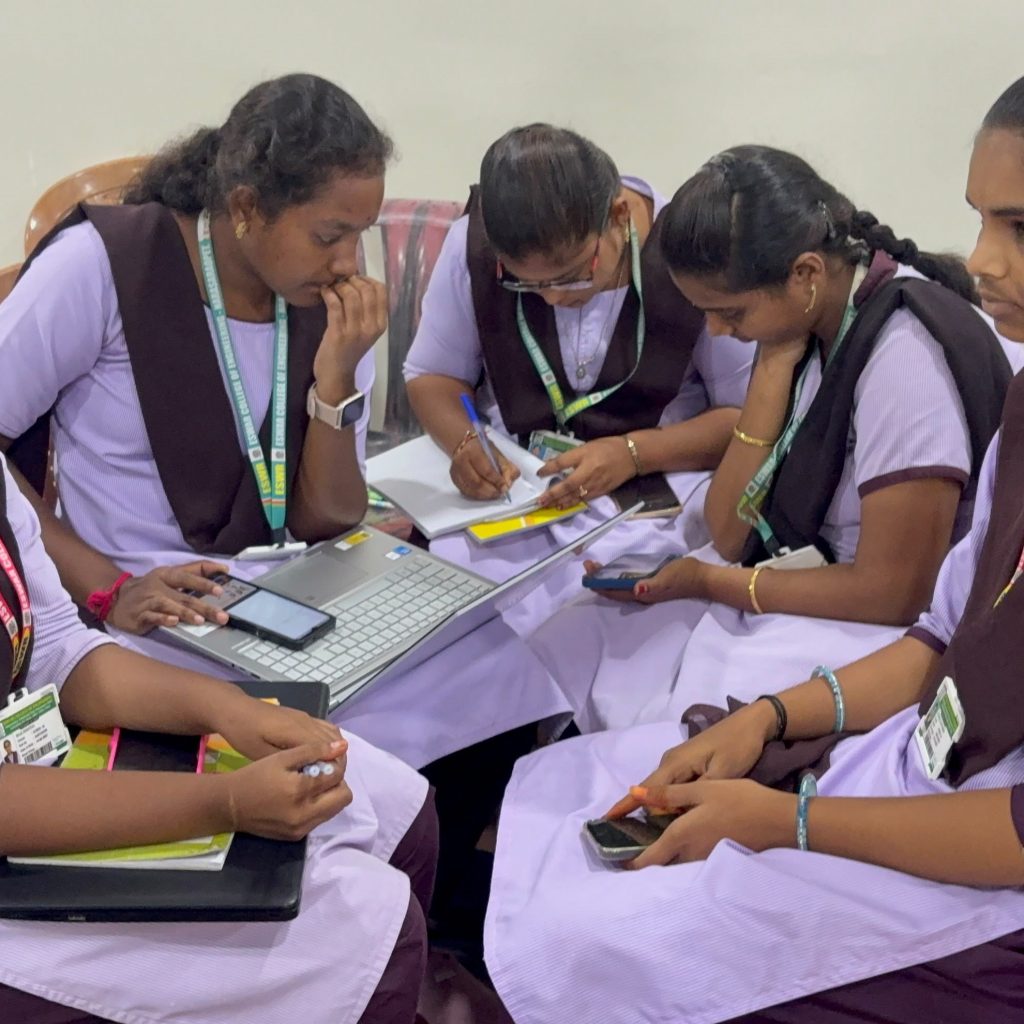
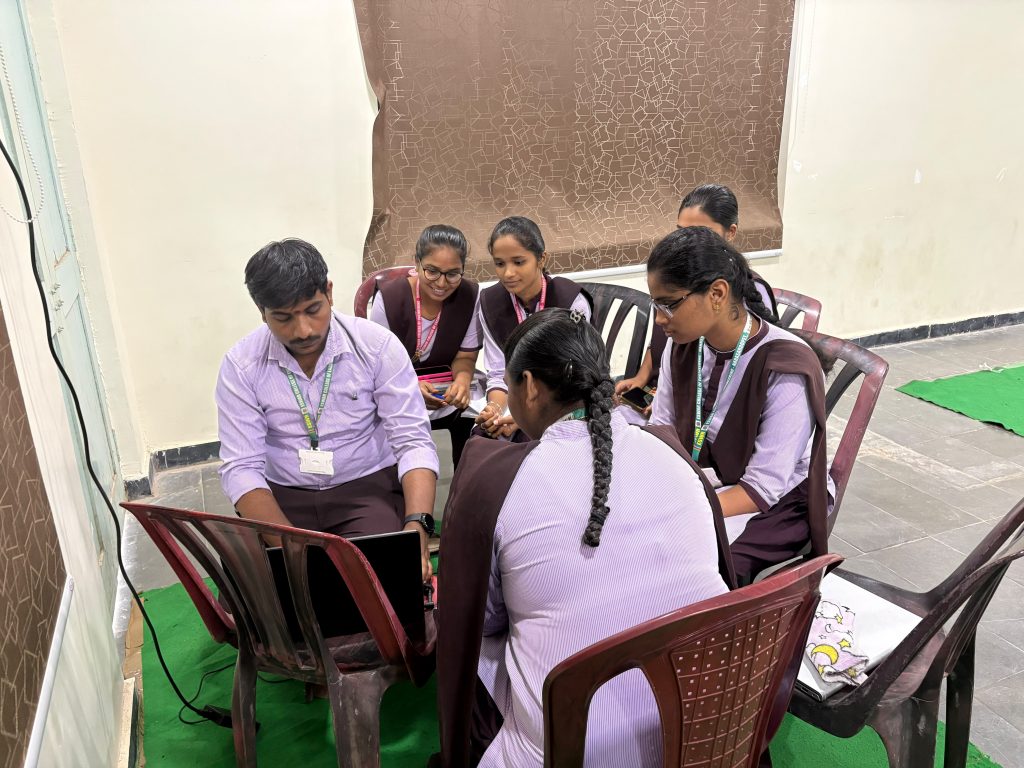
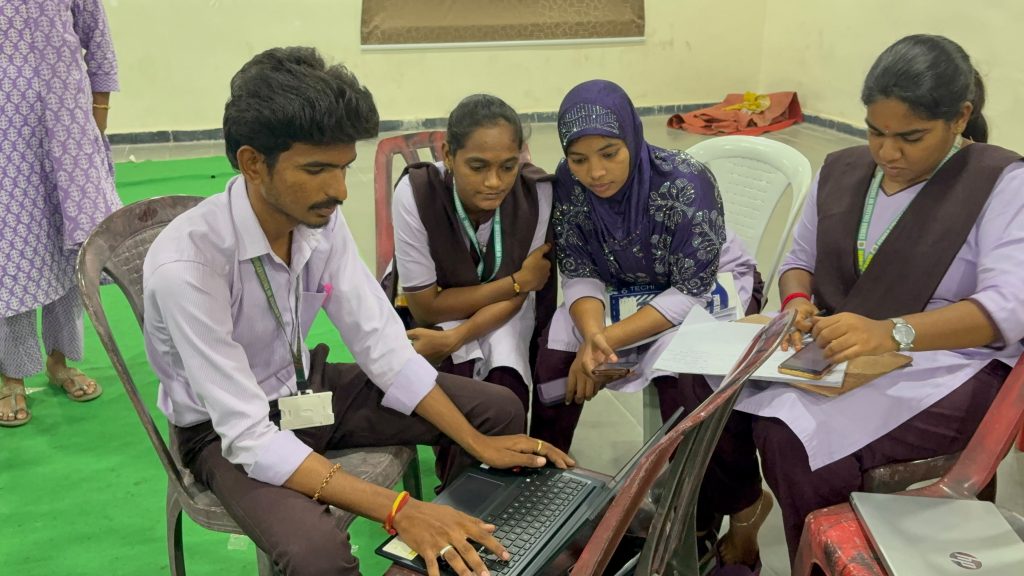
On the second day, the workshop shifted from learning concepts to applying them in practice. Students were divided into 19 groups, with each group consisting of up to four members. Every team was assigned a unique project that reflected real-world challenges, encouraging us to think critically and creatively about how technology can be used to address everyday problems.
The Swecha mentors guided us throughout the process, demonstrating how to use relevant applications and tools to accelerate project development. More importantly, they emphasized a structured approach Understanding the problem, gathering requirements, breaking down into smaller tasks, building the core features, and then implementing an MVP (Minimum Viable Product). This hands-on experience not only improved our technical skills but also taught us the value of teamwork, problem-solving, and applying AI-driven tools to practical scenarios.
By the end of the session, we had not only completed our projects but also gained confidence in our ability to transform ideas into tangible outcomes. The mentors also highlighted real-world scenarios where Generative AI and Agentic AI are already being applied from automating repetitive tasks to assisting in research and development at industry level.
We sincerely thank team of swecha, for their dedicated guidence and encouragement throughout the workshop. We are also grateful to our Head of Department, Vasanthi garu, for her continuous support and motivation, Muzeer sir and principal Naga Malleswararao garu and the department of DET at Eswar college of Engineering for providing us with this valuable opportunity. Their collective efforts made the workshop a truly enriching and inspiring experience.