
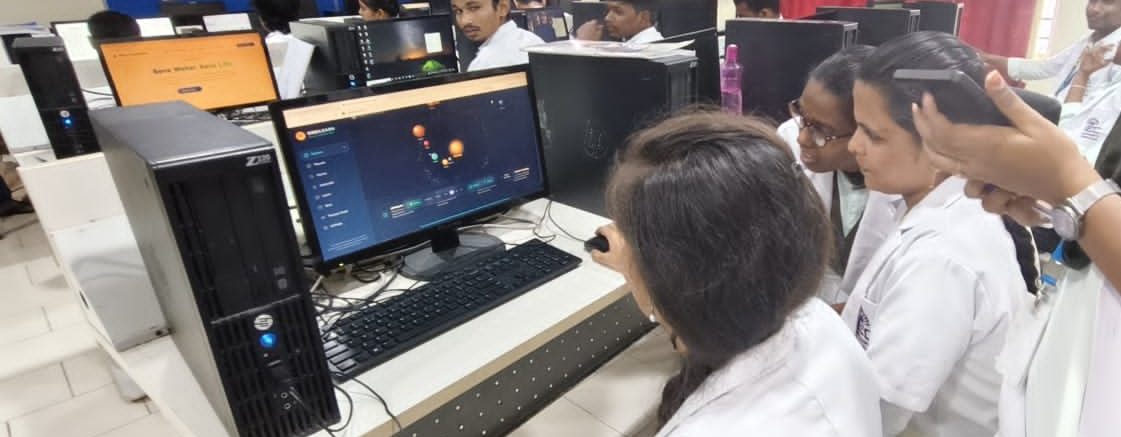
Venue: Computer lab, Narasaraopet Engineering College, Organized by Swecha Learning Center.
Mode: Offline
Day 1: Introduction to HTML and CSS Tech Concepts
Date: 19-08-2026
We began the first day with the fundamentals of web development: HTML and CSS.
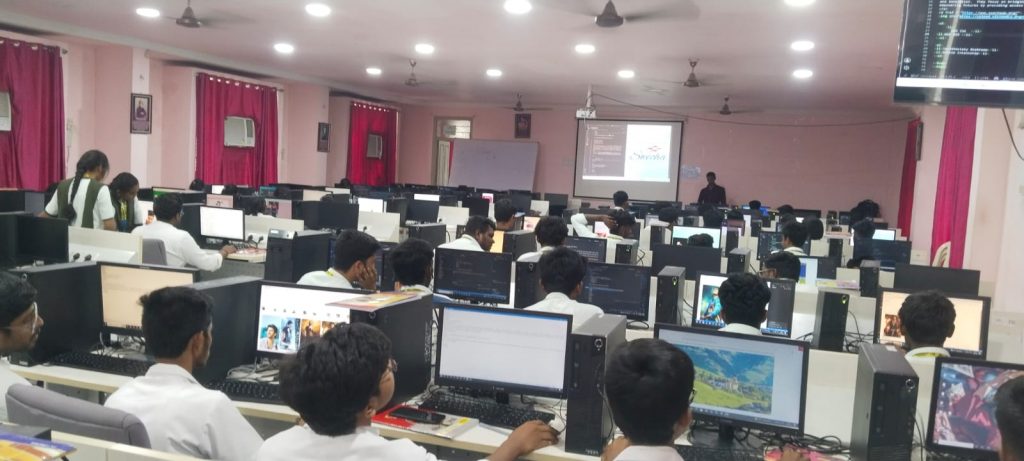
For many students, this was an opportunity to understand what happens behind the webpages they use every day. We introduced them to HTML tags, webpage structure, headings, paragraphs, images, links, forms, and other basic elements. We then showed them how CSS can be used to add colors, fonts, spacing, layouts, and visual appeal to a webpage.
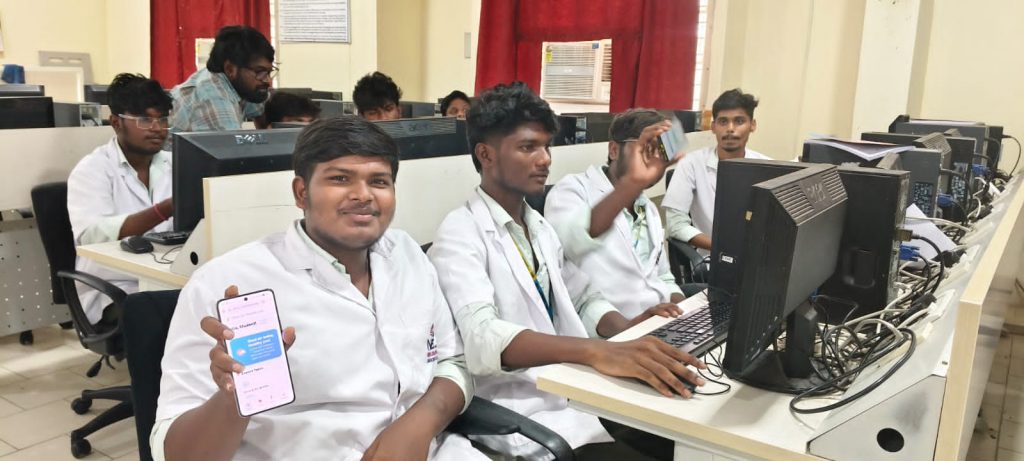
The classroom became interactive as students started writing their own code and observing the results. They tried different styles, experimented with page designs, and gradually understood how a simple idea could become a webpage.
What made the session special was the students’ enthusiasm. They were not simply listening to explanations; they were actively trying things out, asking questions, correcting mistakes, and helping one another. By the end of the day, many students had created their first basic webpages, giving them a strong foundation for the activities ahead.
Day 2: Team Formation and AI-Powered Project Building
Date: 20-08-2026
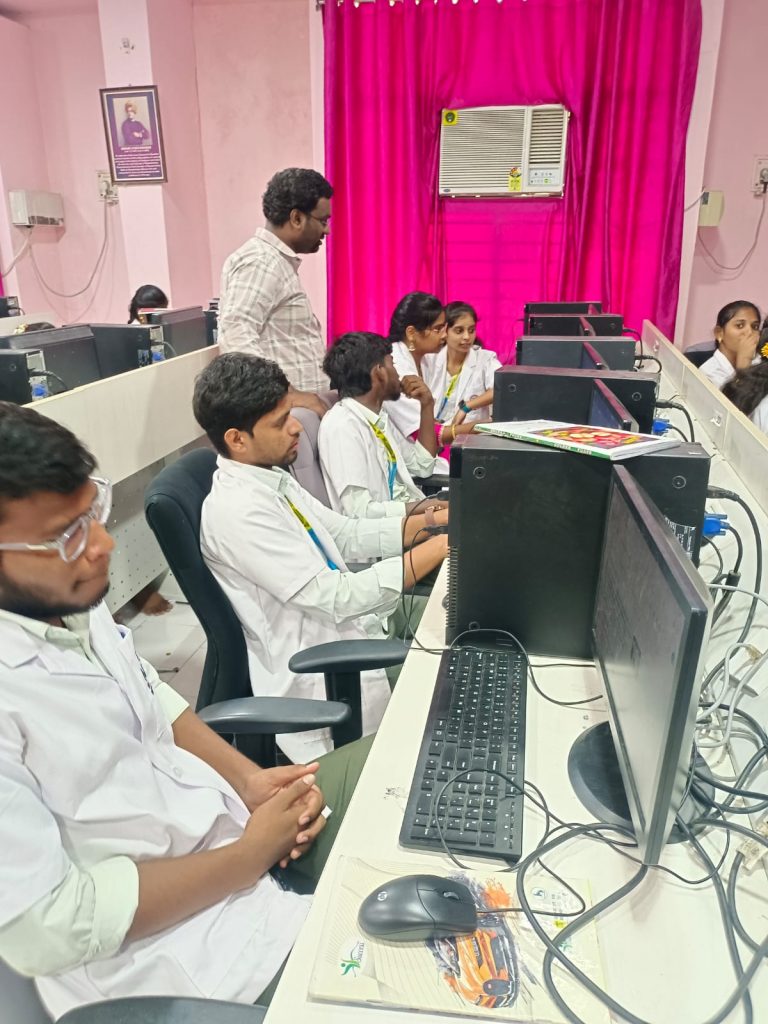
The second day brought a new level of energy to the workshop. We divided the students into 25 teams, with each team consisting of four to five members.
This team-based structure encouraged students to communicate, share ideas, and divide responsibilities. Some students focused on design, while others worked on coding, content, research, or presentation preparation. It was encouraging to see students who had initially been hesitant gradually become active participants in their teams.
We introduced them to AI tools that can assist with different stages of project development. The students explored how AI can help generate ideas, write and improve code, create content, identify errors, plan a project, and prepare documentation.
At the same time, we emphasized that AI is a tool to support learning—not a replacement for understanding. We encouraged the students to ask questions, verify the results, understand the code, and make their own decisions.
The students quickly began experimenting with the tools. They asked AI to suggest project ideas, improve their webpage designs, and help them solve coding challenges. Their excitement was visible as they saw how quickly an initial idea could develop into a working prototype.
The most important lesson from the day was that technology becomes more powerful when combined with teamwork and creativity.e project development cycle—from idea generation to implementation and deployment.
Day 3: Real-World Projects and Presentations
Date: 21-08-2026
On the third day, the students were ready to apply what they had learned. Each team was assigned a real-world project to develop using HTML, CSS, and the AI tools introduced during the boot camp.
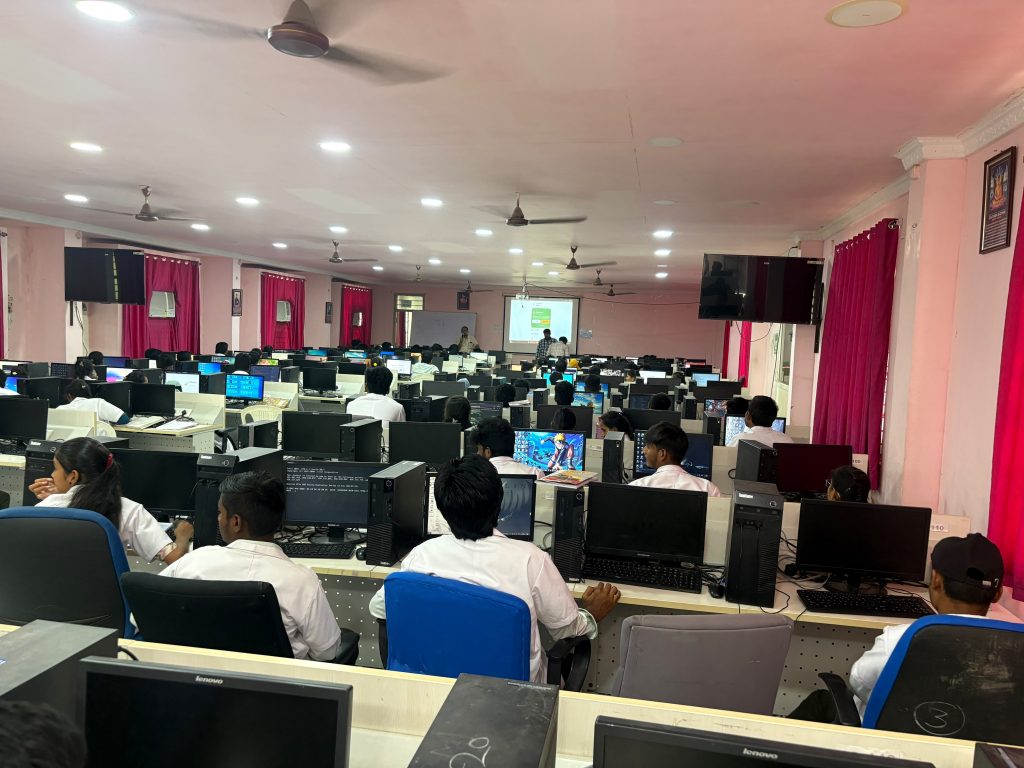
The classroom soon turned into a busy project workspace. Teams discussed their ideas, planned their webpages, assigned tasks, wrote code, tested their projects, and made improvements. Some teams focused on solving community-related problems, while others worked on ideas aimed at making everyday tasks easier.
The students faced challenges during the process, but they also learned how to overcome them. Whenever something did not work as expected, they searched for solutions, discussed the problem with their teammates, and used AI tools to understand and fix the issue.
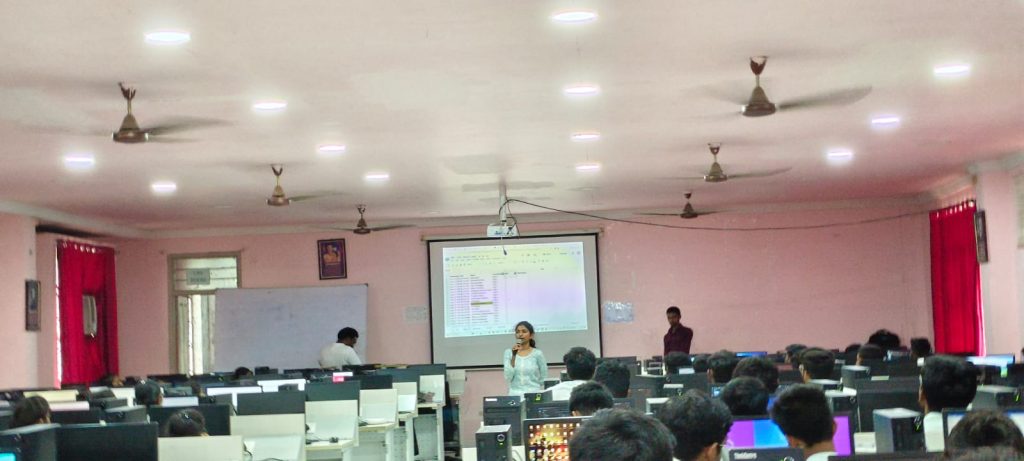
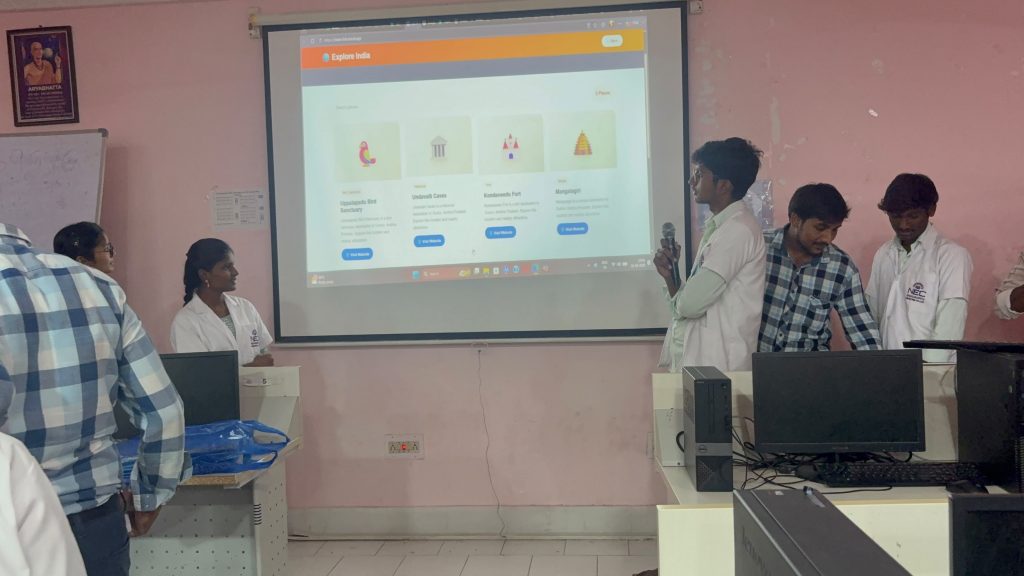
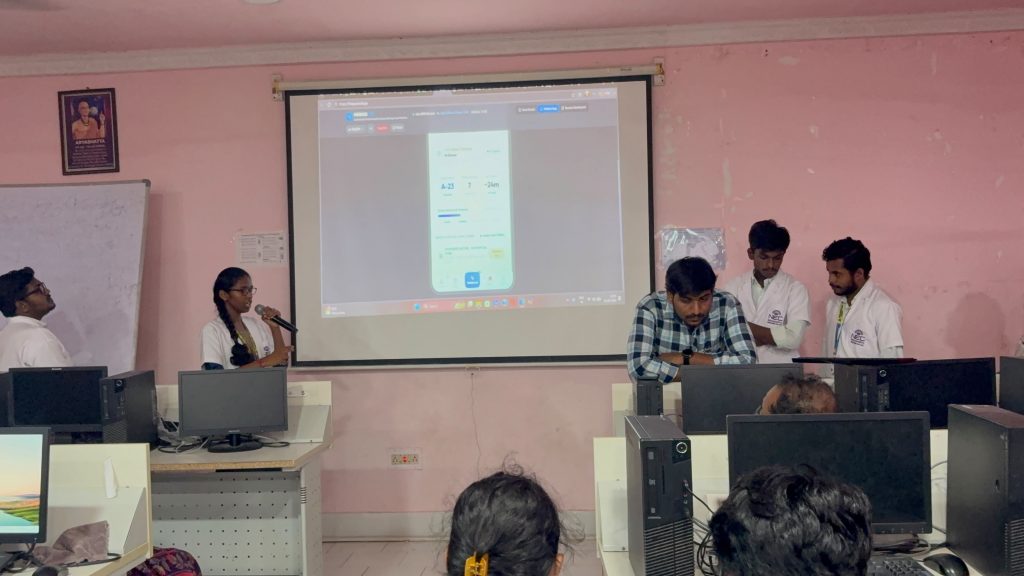
It was inspiring to watch the transformation. Students who had started the workshop by learning basic HTML and CSS were now working together to build and deploy complete project ideas. They were not just learning concepts – they were using those concepts to create something of their ownaluable opportunity to showcase their work and receive feedback. They also helped students improve their confidence, public-speaking abilities, and understanding of how technology projects are evaluated.
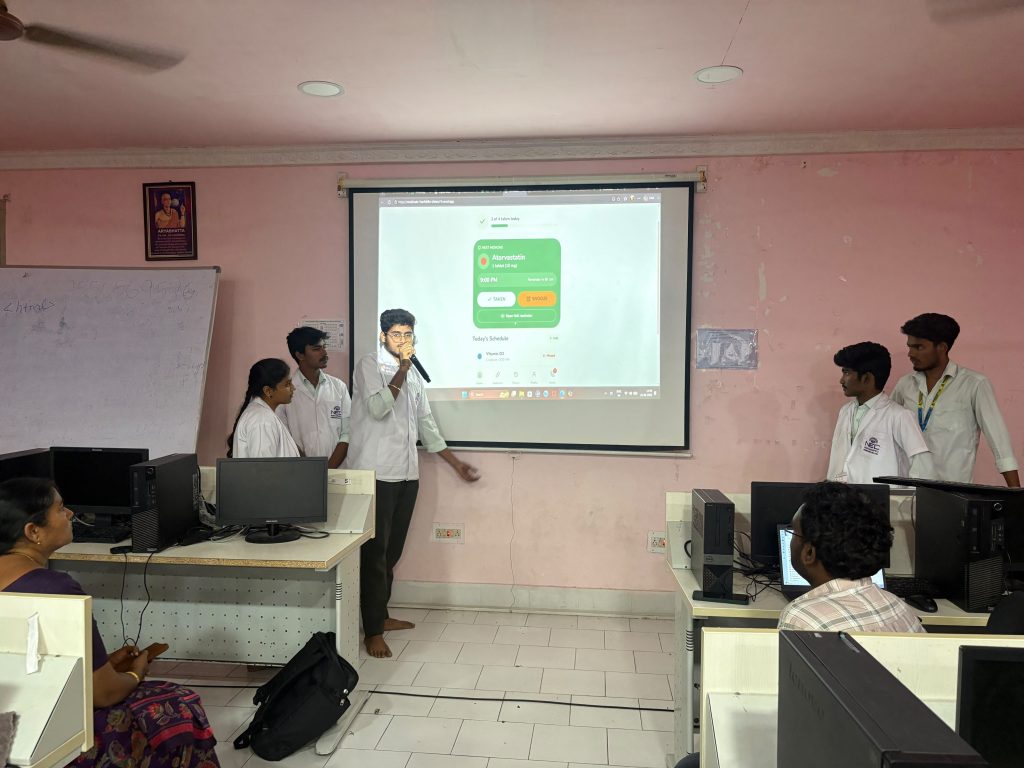
Continued Department-Level Presentations
The student presentations continued on the following day under the guidance of the department. This extended presentation session allowed more teams to present their projects and gave the department members an opportunity to interact with the students about their ideas and implementations.
The continued engagement from the college department reflected the value of the students’ work and helped create a supportive environment for further learning and innovation.